

 Facebook
 X
 Pinterest
 Copy Link
Feeling Stuck? Smart Home Updates While You Wait to Sell
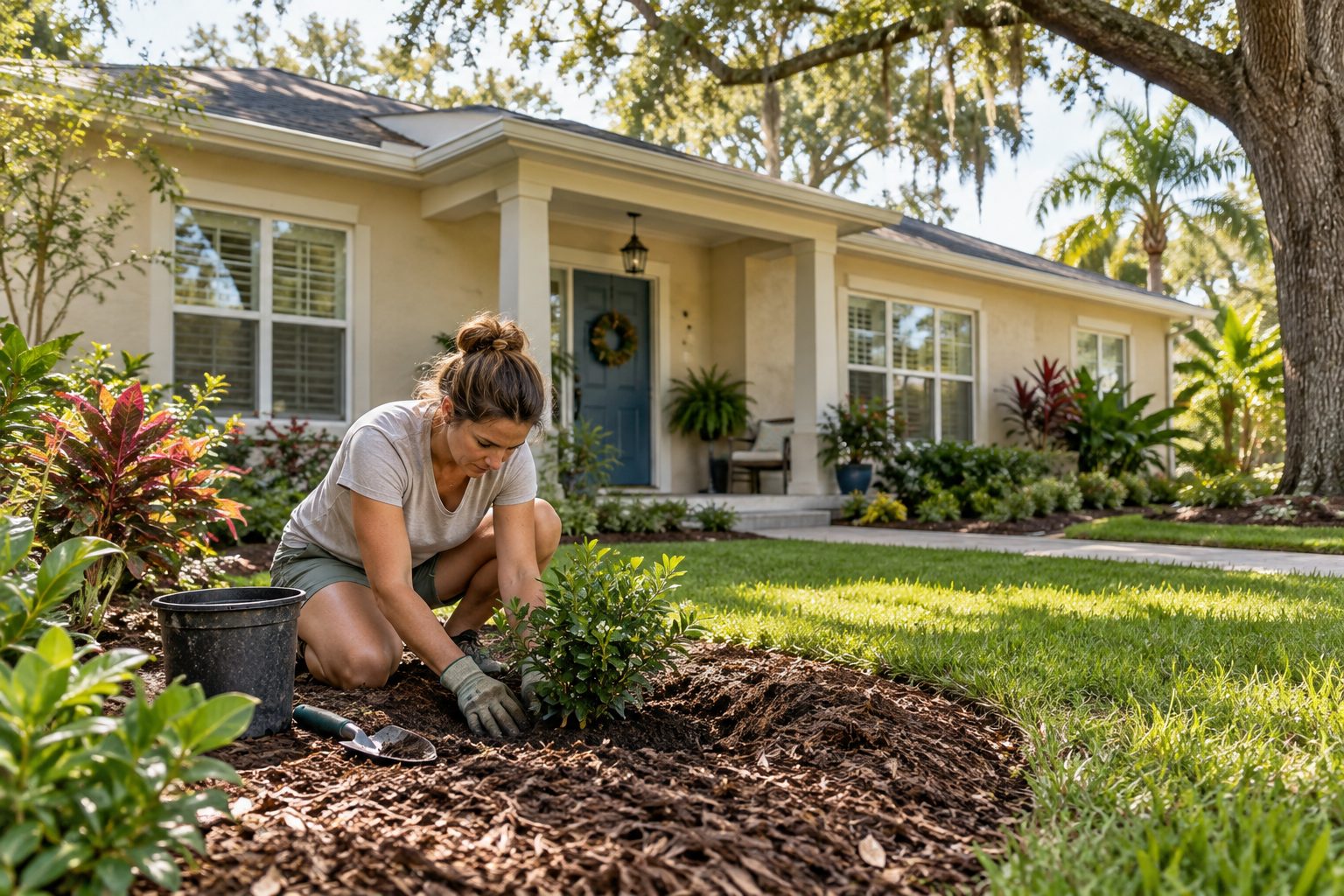
Feeling Stuck? Smart Home Updates While You Wait to Sell
By Andrew Ricker | The Ricker Group
Reviewed October 27, 2026
Bought your home in the last one to five years and you’re thinking about moving? But you feel “stuck” because of interest rates, high prices, or just need more time? If selling in 2026 isn’t in the cards, focus on what you can control: maintenance, simple updates, and careful spending to position yourself for 2027 and beyond.
You don’t need a full renovation. The goal is to enjoy your home now while making it easier for future buyers to picture themselves there.
Think “well cared for” before “newly remodeled”
A fresh backsplash is fun. Fixing a slow leak is less exciting. Start with the leak.
Keep up with AC service, plumbing issues, exterior upkeep, and signs of moisture. Save receipts and keep a simple maintenance record.
Drain the water heater. Service the HVAC. Clean the gutters. You get the idea.
Then tackle the visible distractions: scuffed walls, overgrown garden beds, peeling paint, and outdated hardware. The aim is a home that feels cared for, without a long list of projects waiting for the next owner.
Choose updates that work for more buyers
You can still have personality. However, when resale matters, keep expensive or permanent choices easy to work with.
Refresh a tired bathroom $300–$1,500 – per bathroom Clean grout, replace failed caulk after addressing moisture issues, and update a worn faucet, mirror, or vanity.
Update dated lighting $200–$1,200 – for a few fixtures, plus installation. Prioritize the entry, dining area, and bathrooms. Use consistent bulb color throughout the house.
Make small kitchen improvements $150–$1,000 – Adjust cabinet doors, replace worn pulls, and consider a faucet if the existing one looks tired. Keep finishes coordinated.
Repair doors, trim, and hardware $150–$800 – Fix sticking doors, chipped trim, loose handles, and unfinished patches. Small defects can make the entire home feel neglected.
Across Tampa Bay, the right choices will vary. The finishes in a 1920’s Bungalow will be treated differently than in a 2025 Townhome.
Think coordinated colors, practical materials, and a finished result. Save the bolder choices for artwork, rugs, and furniture you can take with you. Smart home updates start with a plan and probably a Pinterest account.
Landscaping: Make it fit the yard
Fresh sod is a game changer. If you’re replacing old/patchy sod, you can likely do it yourself. If your current yard is a haven of weeds and roots, I suggest you hire a professional to install complex landscaping projects.
Make sure you pick the right grass for your yard! Full shade, partial shade, drought resistant, etc.
UF/IFAS explains that most lawn grasses struggle in shade. Under mature Tampa Bay trees, a suitable groundcover may make more sense than repeatedly replacing grass. Gardening Solutions
Address drainage or irrigation problems before spending on new plants. If you install new sod but you don’t install a sprinkler system, it’ll be an uphill battle to keep your grass thriving. The best bet: Aim for a tidy yard that is manageable, rather than one that needs constant attention.
Weekend projects—and sensible starting budgets
These are suggested spending allowances for limited projects, not verified local averages. There isn’t a reliable resale-return percentage for each one.
| Priority | Project and scope | Suggested budget | When it makes sense |
|---|---|---|---|
| 1. Fix obvious defects | Small plumbing repairs, sticking doors, damaged trim, loose hardware, holes in drywall. | $200–$1,500 | Buyers would otherwise see a growing repair list. Diagnose moisture problems before cosmetic work. |
| 2. Refresh tired paint | DIY painting of a few rooms, or professional work in a smaller area | $300–$2,000 | Walls are scuffed, patchy, or strongly personalized. Choose colors that work with existing floors and cabinets. |
| 3. Improve the front yard | Trim, weed, edge, mulch, and add a few suitable plants, or sod install | $400–$4,000 | Overgrowth or neglected beds distract from the house. Start by improving what’s already there. |
| 4. Deep-clean the home | Focus on floors, grout, windows, kitchens, and bathrooms | $300–$800 | The finishes are serviceable but look tired or dirty. Clean before deciding to replace. |
| 5. Refresh the entry | Paint or replace front door; replace worn hardware or dated house numbers | $100–$1500 | The entrance should feel welcoming and fresh. |
| 6. Make selective cosmetic updates | A few dated fixtures, cabinet pulls, or a simple backsplash | $200–$1,000 | One obvious mismatch makes an otherwise attractive room feel unfinished. |
Painting has stronger support as a pre-sale recommendation than many trendy upgrades: NAR’s 2025 report found that 50% of surveyed Realtors recommended painting the entire home, and 41% recommended painting one room. Those figures measure recommendations, not financial returns. NAR’s 2025 Remodeling Impact Report. Still, a recommendation isn’t a promise that you’ll recover every dollar. nar.realtor
Good workmanship matters. If a job exceeds your skills, shrink the scope or get professional help.
Ask your Realtor to rank three projects by likely buyer impact. Price them out, allow for surprises, and finish one before starting another.
Common questions
Will these projects increase my sale price?
They may improve appeal and reduce buyer objections. A specific price increase or profit isn’t guaranteed.
Should I renovate the kitchen while I wait?
Start with its condition and competing homes. Paint, repairs, or cleaning may be enough.
How much should I spend overall?
Set that number with your finances and likely sale proceeds in mind. Avoid borrowing for cosmetic work on the assumption that resale will repay it.
You don’t need to turn your home into someone else’s dream house. Keep it maintained, make thoughtful updates, and protect your budget. Most importantly, HAVE FUN WITH IT!
Talk with Andrew Ricker about which improvements make sense for your Tampa Bay home—and which you can skip.
Buying a Tampa Bay Home? Check the Permits Before You Commit
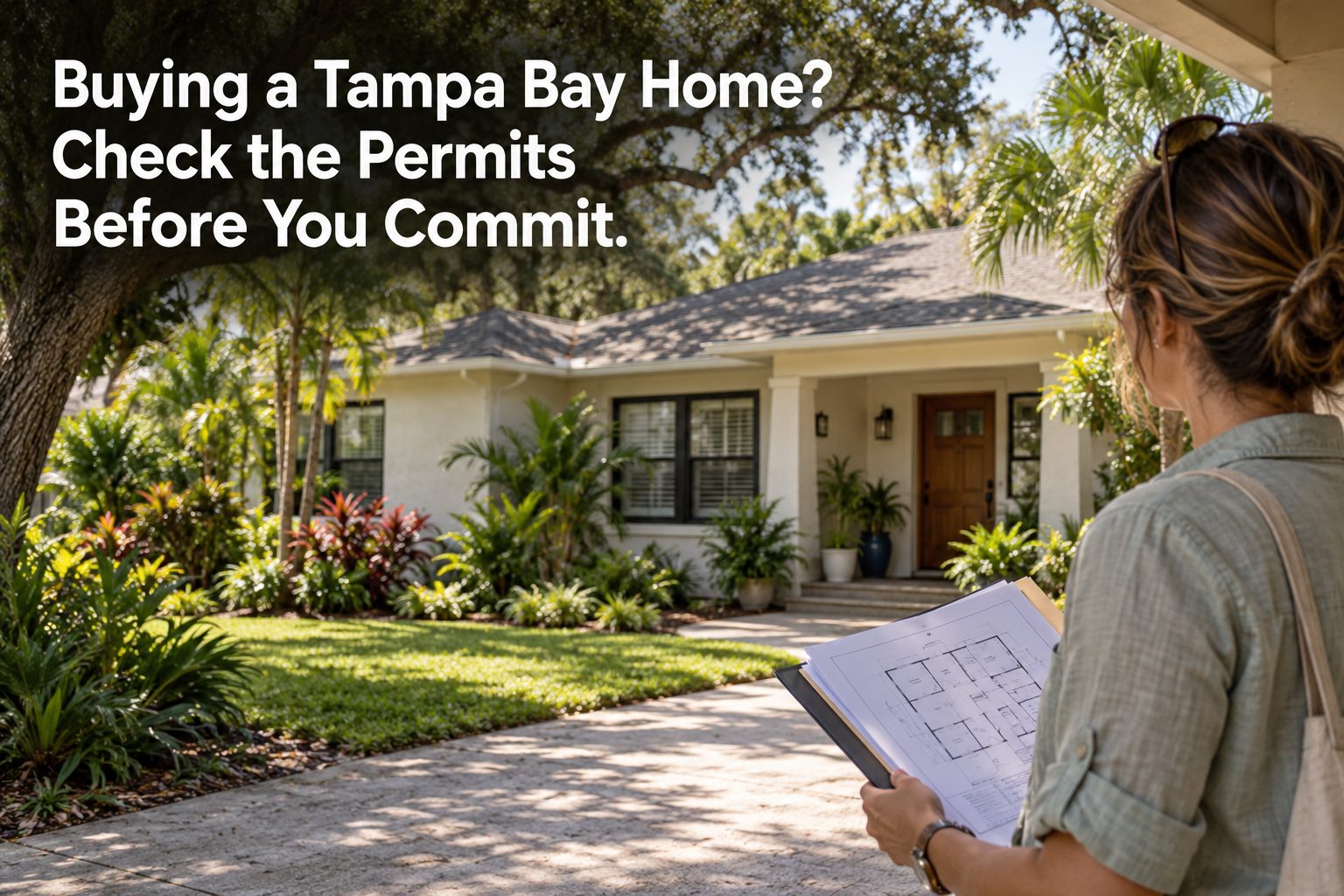
Buying a Tampa Bay Home? Check the Permits Before You Commit
By Andrew Ricker | The Ricker Group
Reviewed October 26, 2026
Buying a renovated home or one in a flood-prone area? Ask your Realtor to help check its Tampa Bay permit history before you commit. The records can help explain what work took place and which questions still need answers.
The new kitchen looks great. Now let’s check the paperwork.
Start with what changed
New floors, updated bathrooms, or a converted garage? First, ask when the work happened and why.
Did the owner plan a remodel, fix a leak, or repair storm damage? Then ask your Realtor to help gather:
- Permits that describe the work.
- Inspection results and final approvals.
- Contractor invoices and warranties.
- Seller disclosures about flooding and repairs.
- Any local findings about flood damage or repair limits.
If an online search turns up nothing, ask the permit office for help. A missing record alone doesn’t prove someone did the work improperly.
Take a closer look at flood repairs
If the home flooded, ask which permits covered the repairs. Also, find out whether the local building department reviewed the damage.
For example, Pinellas County requires repair permits for homes in its unincorporated floodplains damaged by Hurricanes Debby, Helene, or Milton. That includes repairs the owner has already finished.
However, that guidance applies to unincorporated Pinellas County. For homes inside Tampa or St. Petersburg city limits, check with the city’s building department.
Ask what “under the 50% rule” means
You may hear that repairs stayed “under the FEMA limit.” Before relying on that claim, ask for the records.
Under the federal substantial-damage rule, repair costs that reach 50% or more of the building’s value before the damage can trigger current floodplain requirements. FEMA explains that land value does not count in this calculation.
The Consequence: If you cross the 50% mark, you must bring the entire home into full compliance with modern building codes. This almost always means elevating the entire house above the flood level, which is a massive and expensive engineering feat.
Planned renovations can also trigger substantial-improvement rules. Local rules may be stricter, too.
FEMA confirms that local officials make substantial-damage decisions. Your Realtor can help gather records. The local building or floodplain official should explain what those findings mean for the home.
Use the right permit office
A mailing address doesn’t always tell you which office handles the property.
For homes within Tampa city limits, the City of Tampa’s permit search guide explains how to look up construction permit records by address.
Outside city limits in unincorporated Hillsborough County, use HillsGovHub.
Meanwhile, the Pinellas permitting guide can help you find out whether the county or a city serves the address.
Check what each permit covers
A closed roof permit tells you about the roof work. It doesn’t answer questions about a separate bathroom remodel.
Instead, compare each permit’s scope with the changes you see. Ask how the office finalized the permit and whether anything remains open.
Planning an addition or a major remodel? Discuss those plans with the building department before you count on a renovation budget.
Also, keep home inspections and insurance quotes on your list. Permit records alone cannot confirm the home’s current condition or future flood risk.
Common questions
Should I walk away if a permit is open?
Not automatically. First, ask what remains unfinished, who can resolve it, and how it affects your plans and contract deadlines.
Does a closed permit mean the home won’t flood again?
No. A closed permit does not guarantee protection from future flooding.
When should I start checking the records?
Start early. Your Realtor can help fit record requests and professional reviews into your contract timeline.
Found a home you like? Talk with Andrew Ricker about checking the records before you commit.
Andrew Ricker | The Ricker Group
Gulf Shores Realty · ERA Powered
Tampa Bay Real Estate · South Tampa Local
My Neighbors Just Sold Their Home. What’s Mine Worth?

My Neighbors Just Sold Their Home. What’s Mine Worth?
By Andrew Ricker | The Ricker Group
Reviewed October 16, 2026
POV: Your neighbors just sold their home, and now you’re wondering what yours might be worth.
Their sale is a useful starting point, BUT your Tampa Bay home value also depends on how the properties compare and what buyers can choose today. Ask your Realtor to help weigh the details—from location and condition to waterfront access, lot size, and renovation quality.
Same street, different homes
A nearby sale isn’t always a good comparison. Size, layout, condition, and timing all matter.
As the Consumer Financial Protection Bureau explains, home valuations use comparable properties and account for their differences.
Your neighbor may have a newer roof, an extra bathroom, or a larger lot. Your home may have a better layout or need fewer repairs. Those details deserve a closer look.
Timing matters, too. Ask your Realtor what’s happening in your neighborhood now, rather than relying on the season alone.
Check the details
The Hillsborough County Property Appraiser’s property-search system is a starting point for building details, lot size, and prior sales. It may not capture every recent update.
For homes within Tampa city limits, the City of Tampa’s permit search guide explains how to look up construction permit records by address.
Have an enclosed porch or converted garage? Ask your Realtor to flag any questions about square footage or permits and help you connect with the right professional.
Your home is more than an online estimate
Ever looked up your home’s value online and thought, “That can’t be right”?
An estimate may miss your updated kitchen or a roof that needs replacing. Tax records and online estimates can help START the conversation. Your Realtor can help make sense of the numbers.
What else can buyers choose?
Closed sales show what buyers paid. Active listings show what they can choose today.
Ask your Realtor how your home stacks up against those options. A similar home with a newer roof or updated interior may compete for the same buyers.
Before settling on a price, ask:
- Which recent sales best match my home?
- Which features or repairs affect the comparison?
- When should we review our pricing plan?
Common questions
Should I match my neighbor’s sale price?
Only if the comparison supports it. Being neighbors doesn’t mean the homes have the same value.
Will I get back everything I spent on renovations?
Not necessarily. What an improvement costs and what buyers will pay for it can differ.
Should I list high to leave room to negotiate?
Talk it through with your Realtor. A higher price may leave negotiating room, but it can also put your home outside some buyers’ search budgets.
Your neighbor’s sale starts the conversation. Talk with Andrew Ricker about what it could mean for your Tampa Bay home.
Andrew Ricker | The Ricker Group
Gulf Shores Realty · ERA Powered
Tampa Bay Real Estate · South Tampa Local
